Leadership coaching for highly responsible people in complex organizations
If someone sent you my name, this is a good place to start.
When the work
keeps becoming yours
You may be responsible for an outcome you cannot fully control—and still find yourself working harder, thinking longer, and carrying more to close the gap.
Sometimes the problem is in the organization: unclear authority, missing capacity, conflicting priorities, or cooperation you cannot require.
Sometimes your own sense of responsibility, loyalty, ambition, care, or need to be useful makes it especially difficult to stop compensating.
Usually, both are involved.
This free Starter Kit helps you look at one difficult work situation, separate the organizational bind from the part of you getting pulled into it, and find one cleaner next move.
Usually, both are involved.
This free Starter Kit helps you look at one difficult work situation, separate the organizational bind from the part of you getting pulled into it, and find one cleaner next move.

Download the free Starter Kit
Considering working with me? Here are two options.
Already know you would rather talk it through? Schedule a free 30-minute conversation.
Already know you would rather talk it through? Schedule a free 30-minute conversation.
I help capable people get a clearer read
on difficult situations at work.
People do not usually come to me because they want a general lesson in leadership.
They bring a situation that has become hard to think about alone:
Is this a personal failure? A political problem? A structural impossibility? A familiar pattern in how you respond under pressure? Something you can influence? Something you need to accept or refuse?
I help you slow down one live situation, see the parts that have become tangled, and decide what is yours to carry, make visible, influence, refuse, or leave.
They bring a situation that has become hard to think about alone:
- a project they are expected to deliver without the necessary decisions or support
- a stakeholder pattern that keeps repeating despite their best efforts
- a team they are protecting from pressure they cannot resolve
- a role where everything important seems to depend on informal rescue work
- a difficult conversation or escalation they keep rehearsing but cannot settle
- a question about whether to stay, work differently, or leave
Is this a personal failure? A political problem? A structural impossibility? A familiar pattern in how you respond under pressure? Something you can influence? Something you need to accept or refuse?
I help you slow down one live situation, see the parts that have become tangled, and decide what is yours to carry, make visible, influence, refuse, or leave.
Being the person who can handle it is not always good news.
You may be the person who notices what others miss, translates between groups, anticipates consequences, softens tension, and keeps important work moving.
That capacity is valuable. It may be part of why people trust you and why your career has gone well.
It can also make you the place where unfinished decisions, unclear ownership, missing cooperation, and organizational pressure quietly land.
Sometimes going beyond your role is exactly what the moment requires. Organizations cannot anticipate every disruption, and good leadership often includes stepping into a temporary gap.
The problem begins when the exception becomes normal.
Your additional effort starts to look like ordinary capacity. Other people see that the work got done, but not the translation, vigilance, emotional labor, late-night repair, or private doubt that made it possible.
Eventually you may be doing more and trusting yourself less.
The question is no longer simply, “How can I handle this better?”
That capacity is valuable. It may be part of why people trust you and why your career has gone well.
It can also make you the place where unfinished decisions, unclear ownership, missing cooperation, and organizational pressure quietly land.
Sometimes going beyond your role is exactly what the moment requires. Organizations cannot anticipate every disruption, and good leadership often includes stepping into a temporary gap.
The problem begins when the exception becomes normal.
Your additional effort starts to look like ordinary capacity. Other people see that the work got done, but not the translation, vigilance, emotional labor, late-night repair, or private doubt that made it possible.
Eventually you may be doing more and trusting yourself less.
The question is no longer simply, “How can I handle this better?”
What is my effort helping the organization accomplish—and what is it helping the organization avoid seeing?

The problem may not be only personal. It may not be only organizational.
If we treat the situation only as a mindset, communication, or boundary problem, we can turn a structural impossibility into a personal inadequacy.
If we explain everything through the dysfunctional system, we can lose contact with the choices and influence that remain.
The useful work lives between those explanations. Something in the organization may not be lining up:
If we explain everything through the dysfunctional system, we can lose contact with the choices and influence that remain.
The useful work lives between those explanations. Something in the organization may not be lining up:
- responsibility without matching authority
- decisions made far from their consequences
- priorities that cannot all be honored
- dependencies no one can control alone
- missing capacity disguised as a performance problem
- risks that are sensed but not yet discussable
- the wish to be useful or indispensable
- loyalty to the team, customer, or work
- discomfort with conflict, disappointment, or dependence
- the belief that enough skill or effort should make the situation work
- the need to protect your reputation as the person who can handle complexity
- frustration that other people cannot or will not see what seems obvious to you
What is true here, and what response does that reality ask from me now?
A cleaner move makes reality more visible.
A cleaner move is not necessarily a harder boundary, a dramatic confrontation, or an immediate exit.
It is a response that fits your actual responsibility and influence without asking you to hide an important part of the situation.
It might mean:
Some systems can receive clearer information and adjust. Some answer with denial, blame, or more pressure. That response is information too. It gives you better evidence about what can be influenced and what choices you may need to make next.
Two ways to work together.
It is a response that fits your actual responsibility and influence without asking you to hide an important part of the situation.
It might mean:
- naming a dependency instead of silently managing it
- showing the tradeoff created by a deadline or missing resource
- clarifying who has authority to make a decision
- returning a decision to the role that owns it
- making a direct request instead of anticipating and compensating
- documenting a recurring pattern before the next fire drill
- seeking allies or qualified support before taking a political risk
- doing your part well without privately guaranteeing the whole outcome
- recognizing a constraint you cannot overcome from your role
Some systems can receive clearer information and adjust. Some answer with denial, blame, or more pressure. That response is information too. It gives you better evidence about what can be influenced and what choices you may need to make next.
Two ways to work together.
I help people see the pattern they are standing inside.
I came to the Bay Area in the 1990s to work in technology and spent twelve years designing custom software systems. That work taught me to listen across departments, wait for the larger pattern to emerge, and notice where the formal description of the work did not match how the work actually happened.
For more than 20 years, I have worked with leaders, teams, and organizations through growth, conflict, change, and complexity. My work brings together developmental coaching, systemic thinking, facilitation, structured feedback, organizational constellations, and close attention to the real situation a person is living inside.
The methods matter, but they are not the point. The point is to see enough of the situation—personal, relational, political, and structural—to make a move that asks less distortion of you.
More about me.
For more than 20 years, I have worked with leaders, teams, and organizations through growth, conflict, change, and complexity. My work brings together developmental coaching, systemic thinking, facilitation, structured feedback, organizational constellations, and close attention to the real situation a person is living inside.
The methods matter, but they are not the point. The point is to see enough of the situation—personal, relational, political, and structural—to make a move that asks less distortion of you.
More about me.
Read more about my approach
Start with the pattern you recognize.
If you are still trying to name what is happening, these pages may help: These are not just articles. They describe the architecture underneath the coaching work.
If you are still trying to name what is happening, these pages may help: These are not just articles. They describe the architecture underneath the coaching work.
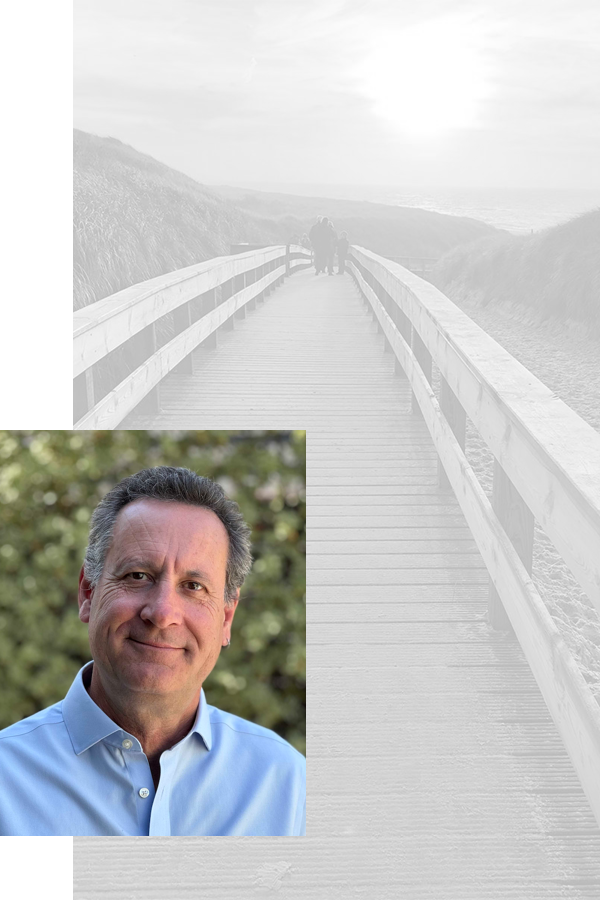
Volker Frank's work is quite simply, amazing. He has the ability to look at challenges from an entirely new perspective. His Constellation workshop helped me overcome personal obstacles that were holding back my company. I would strongly recommend his services to any individual or group struggling with a dynamic that is limiting their potential.
Robin MacFarlane
Owner - That's My Dog
★★★★★ Rated 5 out of 5